DOOH Advertising Benefits: Why Digital Out-of-Home is the Future of Marketing
Digital Out-of-Home (DOOH) advertising is transforming the way brands connect with audiences in the real world. By combining the power of traditional outdoor advertising with modern digital technology, DOOH offers a dynamic, flexible, and highly effective marketing solution.
In this article, we explore the key benefits of DOOH advertising and why it is becoming a top choice for businesses worldwide.
What is DOOH Advertising?
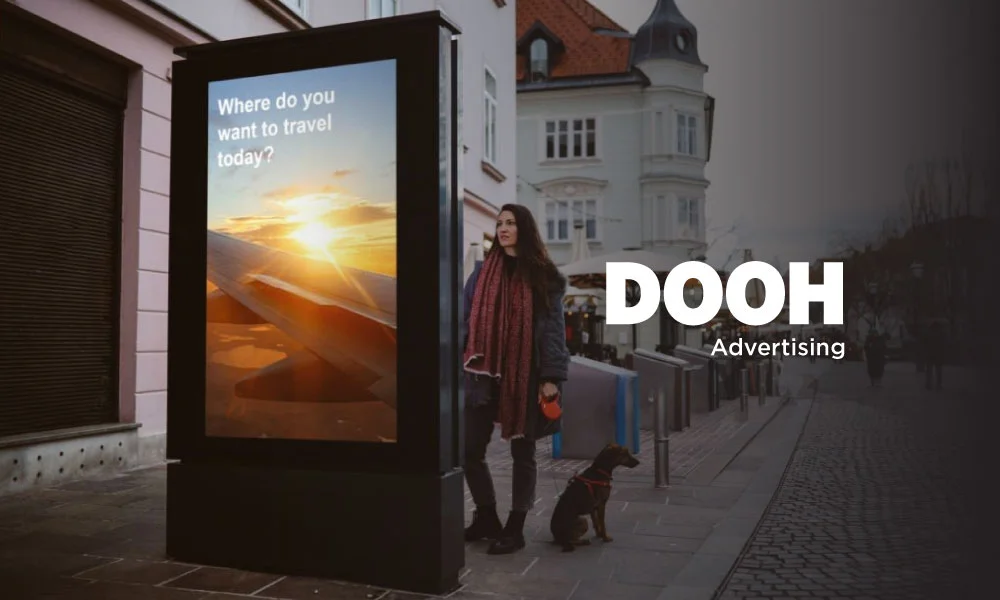
DOOH (Digital Out-of-Home) advertising refers to digital media displayed in public spaces such as LED billboards, digital screens, shopping malls, airports, and transit stations.
Unlike traditional static billboards, DOOH allows advertisers to display dynamic, real-time content that can be updated instantly.
Top Benefits of DOOH Advertising
1. High Visibility and Impact
DOOH screens are bright, dynamic, and visually engaging, making them more noticeable than traditional static ads. Moving visuals and video content naturally capture attention, increasing brand awareness.
2. Real-Time Content Updates
One of the biggest advantages of DOOH is the ability to update content instantly. Brands can change messaging based on:
- Time of day
- Weather conditions
- Live events
- Promotions and offers
This flexibility allows for more relevant and timely advertising.
3. Precise Audience Targeting
DOOH enables smarter targeting by selecting specific locations and times to reach the right audience. For example:
- Business districts during working hours
- Shopping areas during weekends
- Highways during peak traffic times
This improves campaign effectiveness and reduces wasted impressions.
4. Increased Engagement
Dynamic content such as animations and videos creates stronger engagement compared to static billboards. Some DOOH campaigns also integrate:
- QR codes
- Social media interactions
- Mobile engagement
This helps bridge the gap between offline and online marketing.
5. Cost Efficiency
Although DOOH may seem more advanced, it can be cost-effective due to:
- Multiple ads running on one screen
- No printing or installation costs
- Easy updates without additional expenses
This makes it ideal for both large brands and growing businesses.
6. Data-Driven Advertising
Modern DOOH platforms use data and analytics to optimize campaigns. Advertisers can measure:
- Audience reach
- Engagement levels
- Campaign performance
This allows for continuous improvement and better ROI.
7. Eco-Friendly Solution
DOOH reduces the need for printing physical materials, making it a more sustainable and environmentally friendly advertising option.
DOOH vs Traditional Outdoor Advertising
Compared to traditional billboards, DOOH offers:
- Greater flexibility
- Higher engagement
- Better targeting capabilities
- Real-time adaptability
While traditional advertising still has its place, DOOH provides a more modern and efficient approach.
Best Use Cases for DOOH Advertising
DOOH is ideal for:
- Product launches
- Brand awareness campaigns
- Event promotions
- Retail and seasonal offers
- Real-time marketing campaigns
The Future of DOOH Advertising
With the rise of smart cities and advanced technologies, DOOH is expected to grow rapidly. Innovations such as programmatic advertising, AI-driven targeting, and interactive screens will further enhance its effectiveness.
Businesses that invest in DOOH today will gain a competitive advantage in the evolving advertising landscape.
Conclusion
DOOH advertising is redefining outdoor marketing by combining creativity, technology, and data. Its ability to deliver dynamic content, target audiences precisely, and adapt in real time makes it one of the most powerful advertising tools available today.
For businesses looking to stay ahead, DOOH is not just an option—it’s the future of advertising.